Research
Experience-based medicine
From clinical practice to scientific research.
After more than thirty years in practice, I view research as a responsibility to both the profession and my patients. Clinical experience is the source of many questions, but it should not be their final answer.
My lines of research have stemmed from that curiosity and a constant drive to improve: from earlier studies on pH, cellular life, and their relationship to athletic performance, to my current interest in the integration between the visual system and the rest of the body.
Observing, asking questions, and subjecting them to rigorous study is the way to discover what works, under what conditions, and to what extent.

Lines of Research
I view research as a responsibility to the profession and to my patients.
One of my earliest lines of research focused on acid-base balance, pH, and their relationship to cellular physiology, studying how variables such as training load, nutrition, or stress could impact the body’s ability to respond. That experience reinforced an idea that has guided my work ever since: to understand performance, it is not enough to simply observe muscles and joints; we must strive to understand the body as a fully integrated system.
Currently, this investigative curiosity is specifically directed toward the relationship between osteopathy, the visual system, and neuromotor control. The goal is to generate scientific evidence and explore new tools that can contribute to both clinical practice and the optimization of training and performance.

Scientific Study
Osteopathy, visual function, and vision therapy
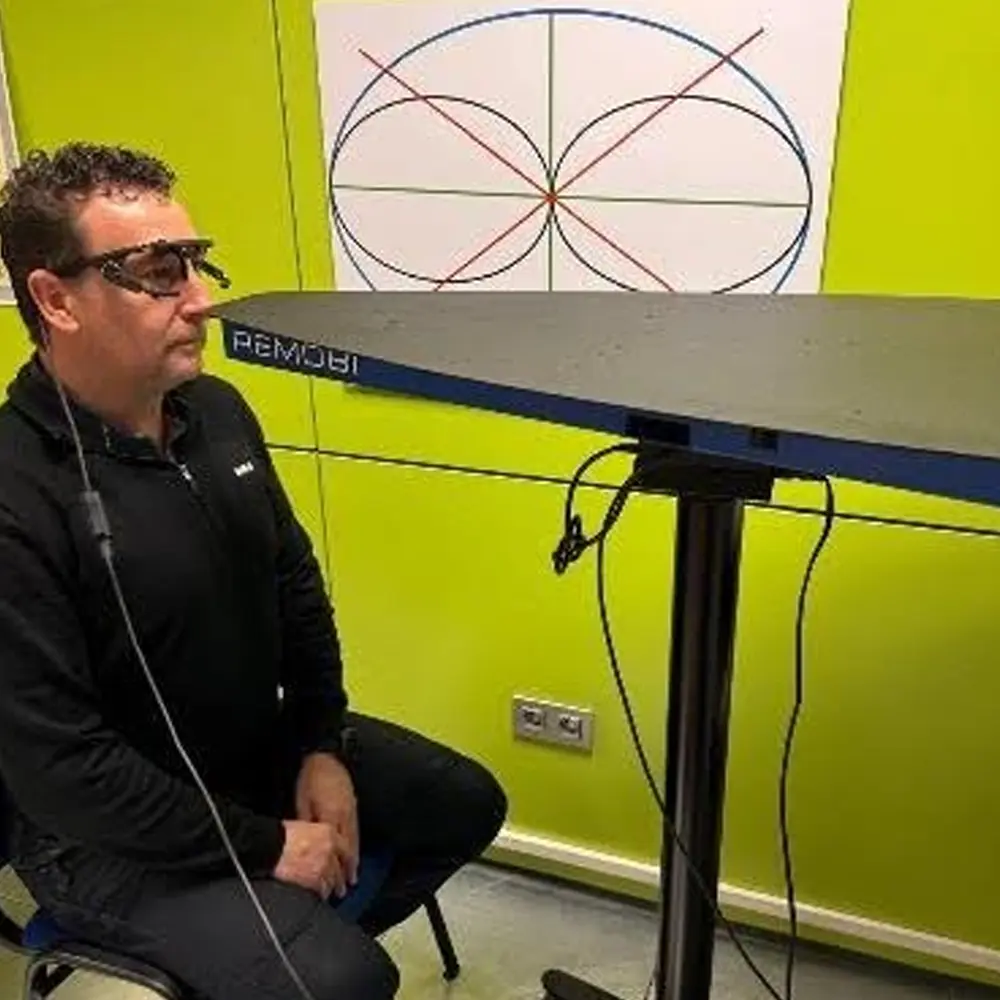
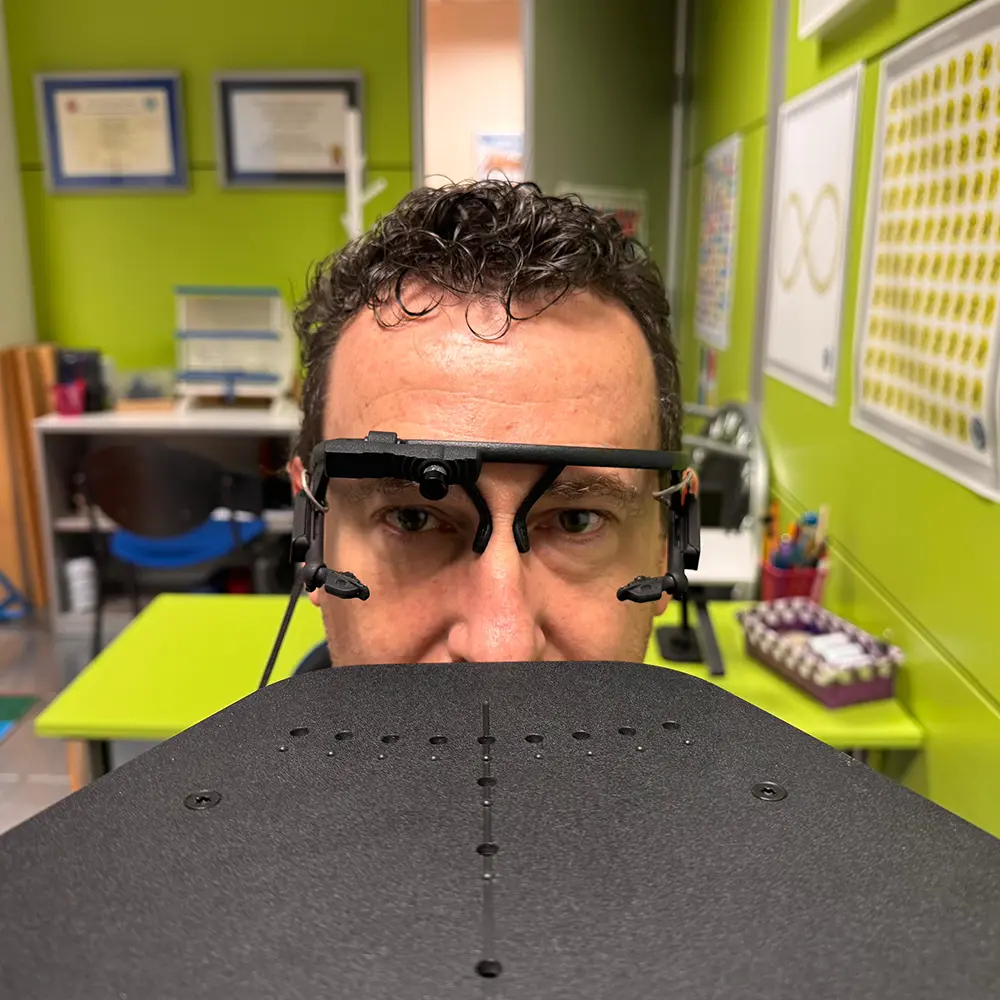
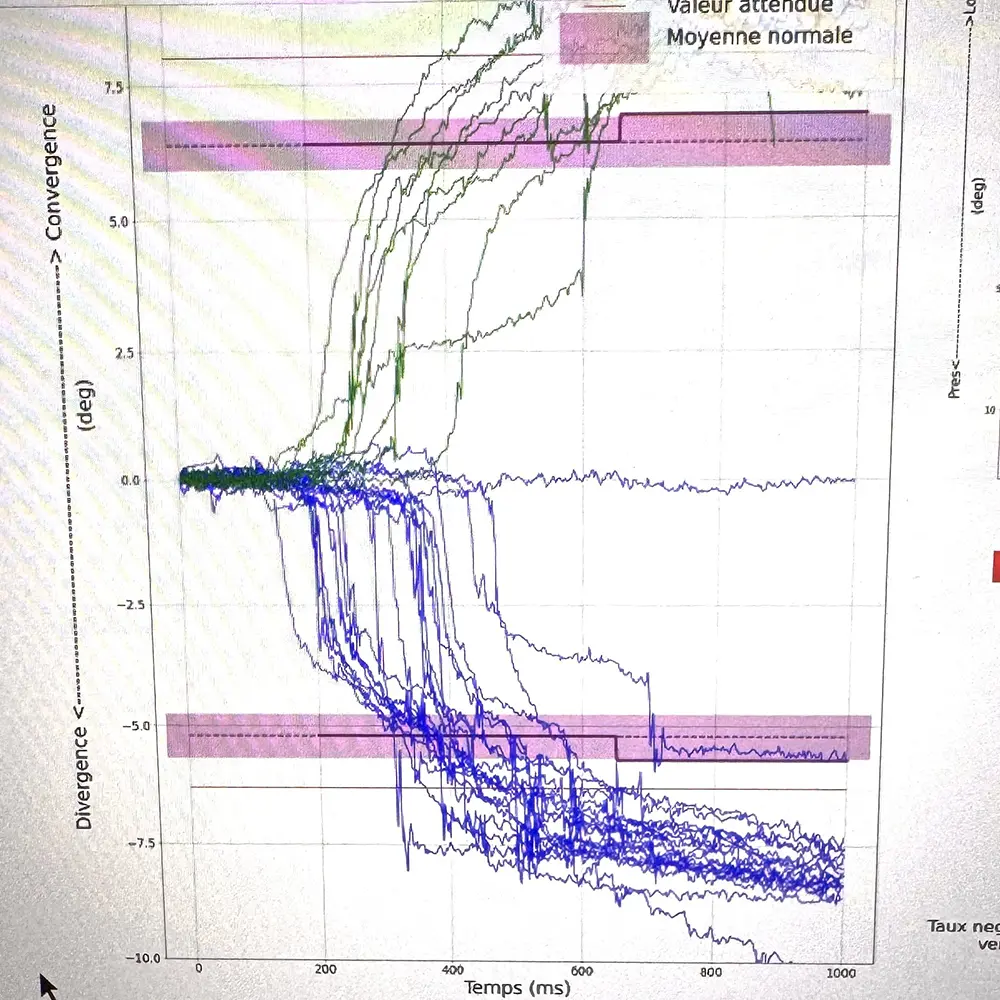
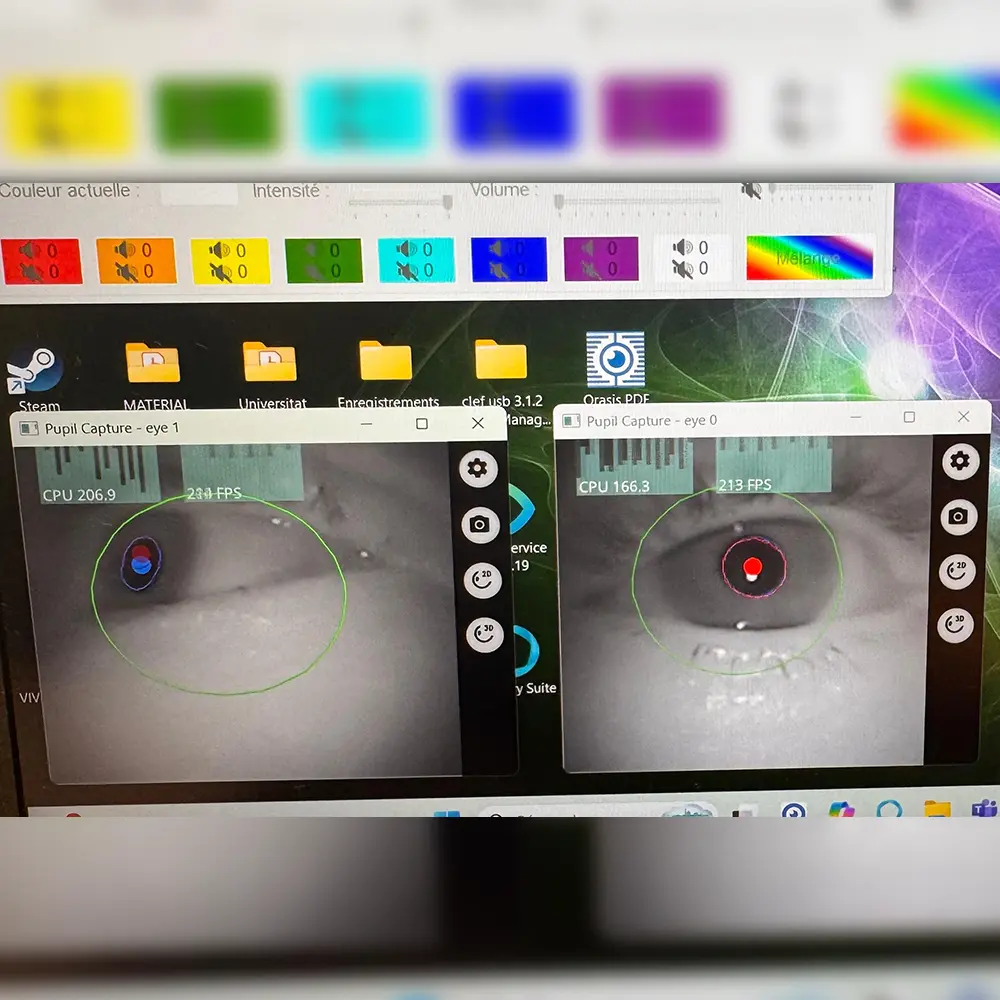
I am currently conducting a randomized, double-blind clinical trial in Andorra that investigates osteopathy as an adjunct to optometry in vergence disorders. The study analyzes its potential influence on specific parameters of visual function and on the subsequent response to vision therapy.
Active clinical research
Objective assessment of visual function
Commitment to scientific evidence